Ocean Real-Life Data Collection Use Case
Healthy Oceans & Water Mission
The Ocean, Streaming Live
Every second at sea, research vessels sense an ocean we rarely see.
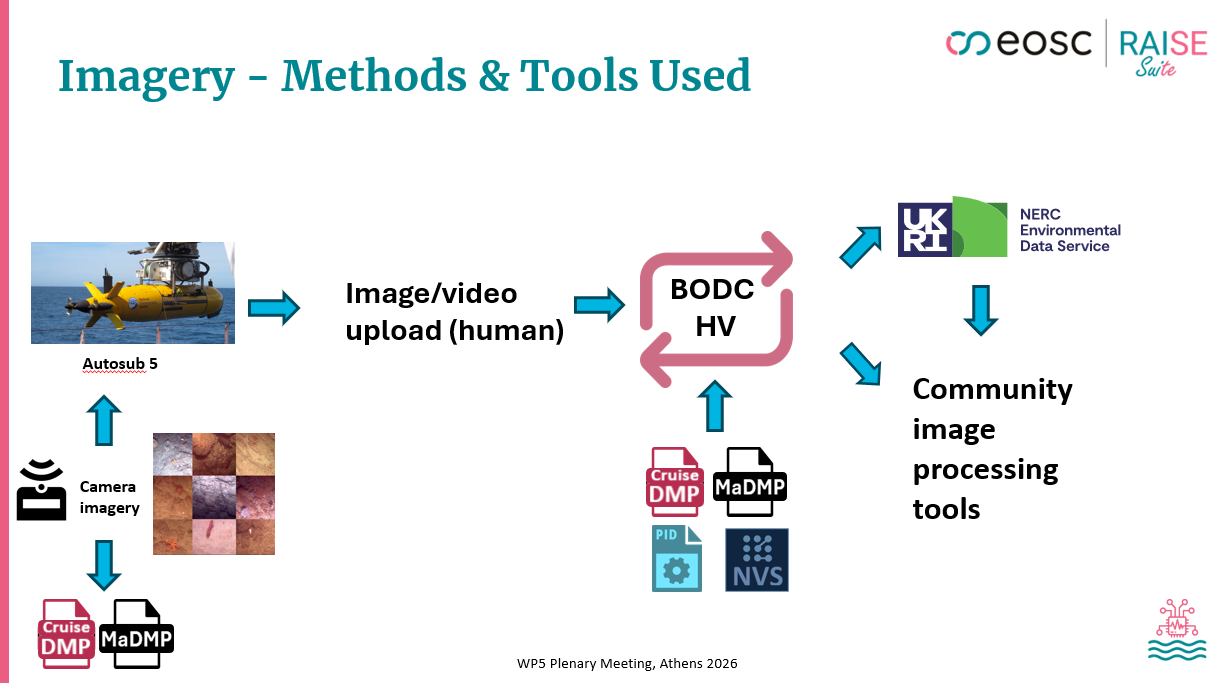
The Standardised Sensor Streams Use Case turns live data from vessels like the RRS Discovery into open, FAIR-by-design ocean science,flowing straight from sea to shore.
At a glance
M6 – M40
(Feb 2026 – Dec 2028)
Oceanography / Environmental
Atlantic Ocean (research vessels, ocean glider deployment zones)
- Underway sensors aboard research vessels (e.g. RRS Discovery)
- ~1 observation per second per sensor
- Near real-time streaming from sea to shore (NOC / BODC)
Main Goal
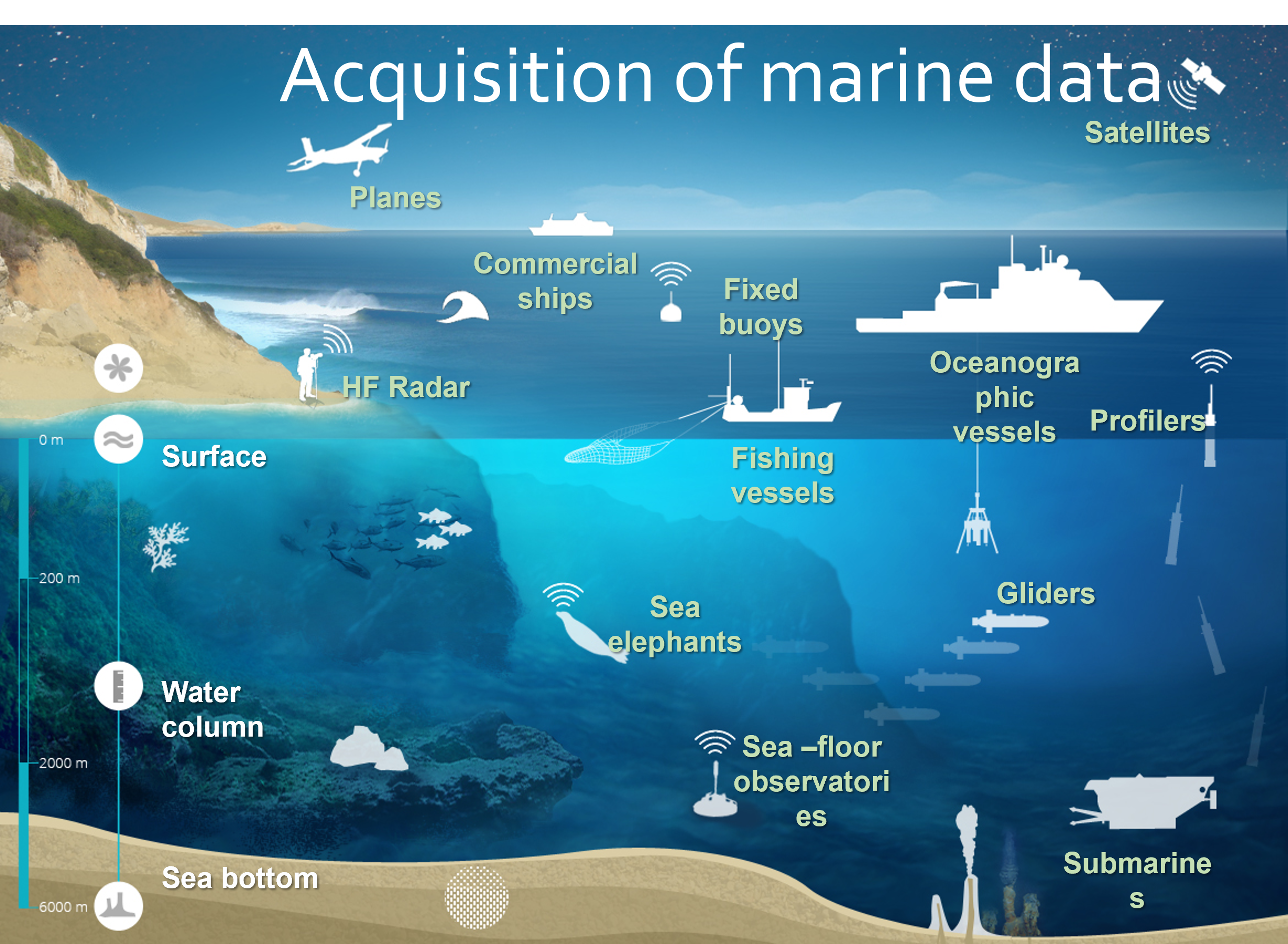
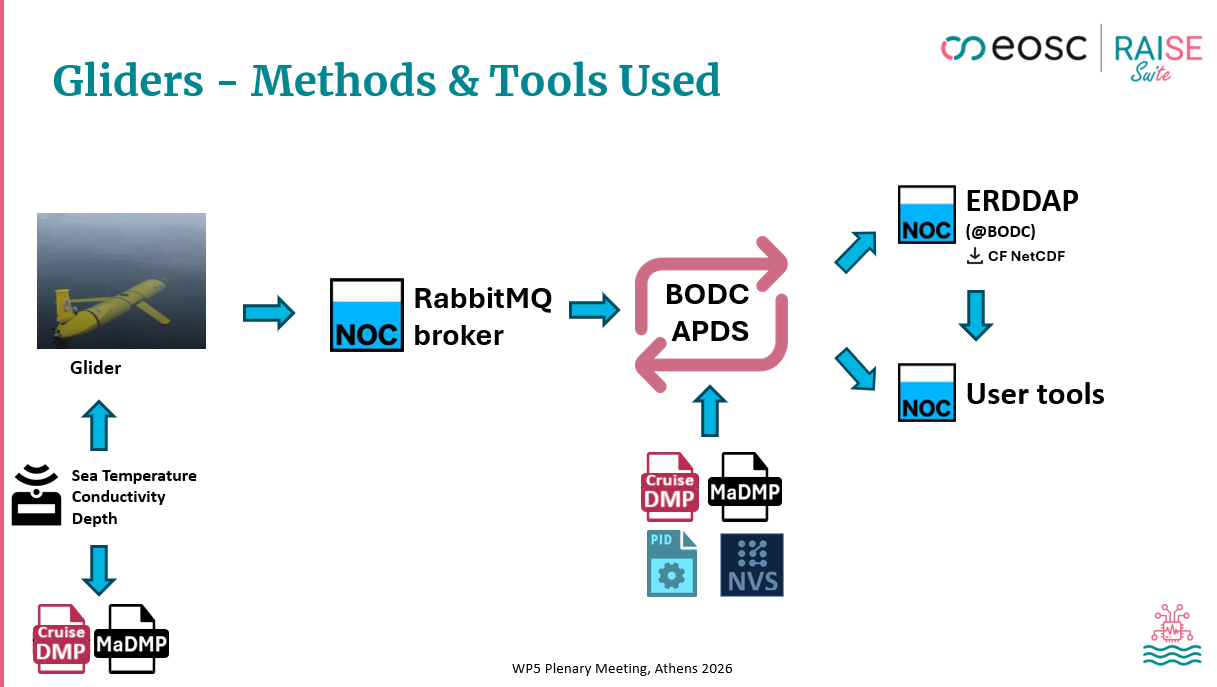
The main goal of the Standardised Sensor Streams use case is to implement the continuous, near real-time collection of underway observations, such as temperature, salinity, and depth in the Atlantic. We seek to improve the scientific understanding of ocean variability and its influence on the Meridional Overturning Circulation (MOC). This collection is designed to support the transition to autonomous platforms and automated workflows using RESTful APIs (including SensorThings API), ensuring that high-quality data is available for broad reuse in climate research and stakeholder decision-making while adhering to the FAIR principles.
Domain Challenges
- Competing time pressures: Principal Investigators planning expeditions aboard research vessels such as the RRS Discovery or RRS James Cook face heavy time constraints, so Data Management Plans are often treated as a low priority.
- Duplicated effort, lost data: PIs must manually re-enter the same information across disconnected tools like the Marine Facilities Planning (MFP) tool and the Autonomy Deployment Form (ADF), while observations from trial programmes and low-TRL sensors are frequently never curated, keeping valuable data out of the wider research community.
- Fragmented metadata and weak repository links: Gathering metadata across diverse marine instruments is difficult, and without versioned DMPs or automated submission to repositories like BODC, plan changes at sea go unrecorded, causing published metadata to drift from what actually happened.
Keywords
ocean, seas, near real time data, MQTT, sensorThingsAPI, Atlantic, research vessel, autonomous ocean
Key Figures & Facts
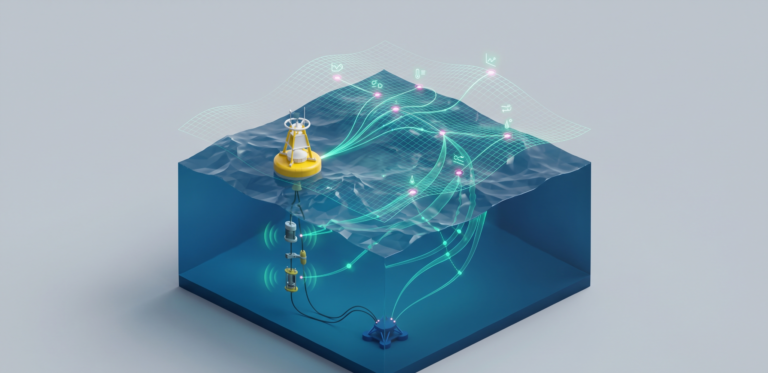
High-frequency acquisition of near real-time (NRT) oceanographic data during research vessel operations, such as:
- Temperature
- Salinity (Essential Ocean Variables)
- Depth
- Research vessel,
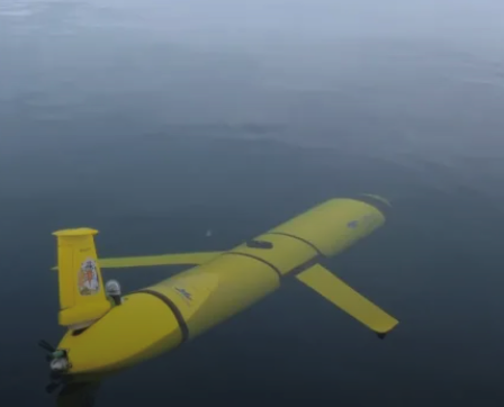
- Autonomous vehicles
NOC brings expertise from other projects:
Use Case Implementation Phases
Data Collection Without RAISE
SDK Integration & RAISE Onboarding
Data Collection with RAISE
Use Case Outcomes
Open Ocean Datasets
FAIR Data, Previously Inaccessible
Open, FAIR oceanographic datasets released to the research community — including observations that were previously lost or inaccessible.
A Reusable Toolkit
Validated SDK and Cruise DMP Template
A validated RAISE Suite SDK integration with research vessels, plus a machine-actionable "Cruise DMP" template that other oceanographic expeditions
Powering EOSC Ocean Services
Feeding Essential Ocean Variables Monitoring
A direct contribution to EOSC ocean data services, supporting the monitoring of Essential Ocean Variables across the wider marine community